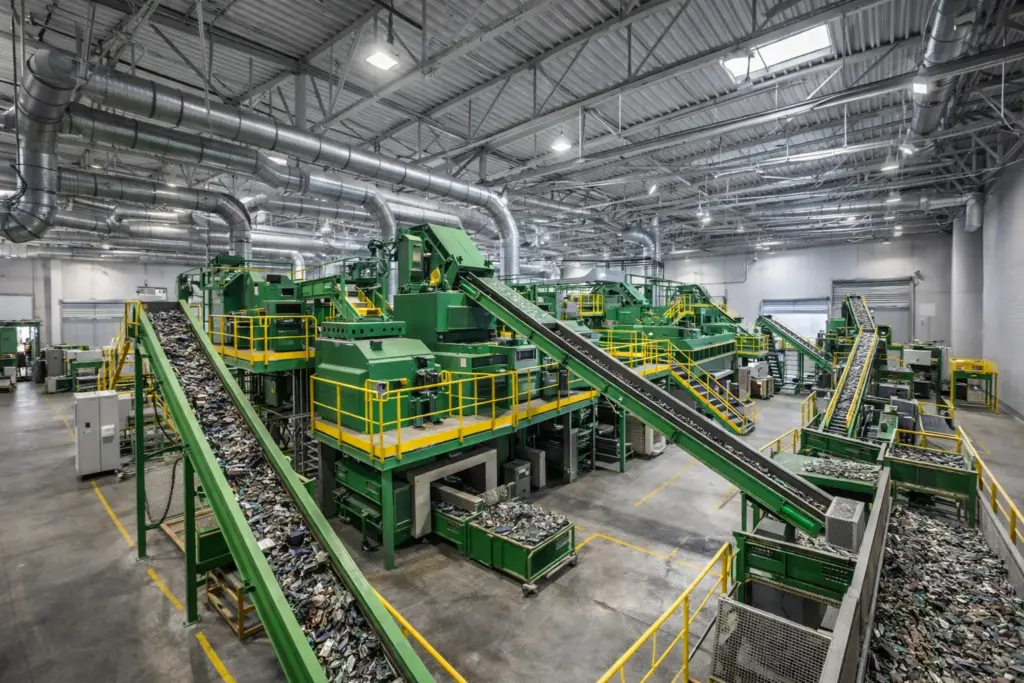
Second-life batteries are something like a “second career” for rechargeable batteries. Removed from cars, but far from finished. The reused battery storage systems find a new home in stationary energy systems, where they provide valuable services for the energy transition. Second-life batteries will continue to play a role in the coming years because they combine sustainability and efficiency in an impressive way.
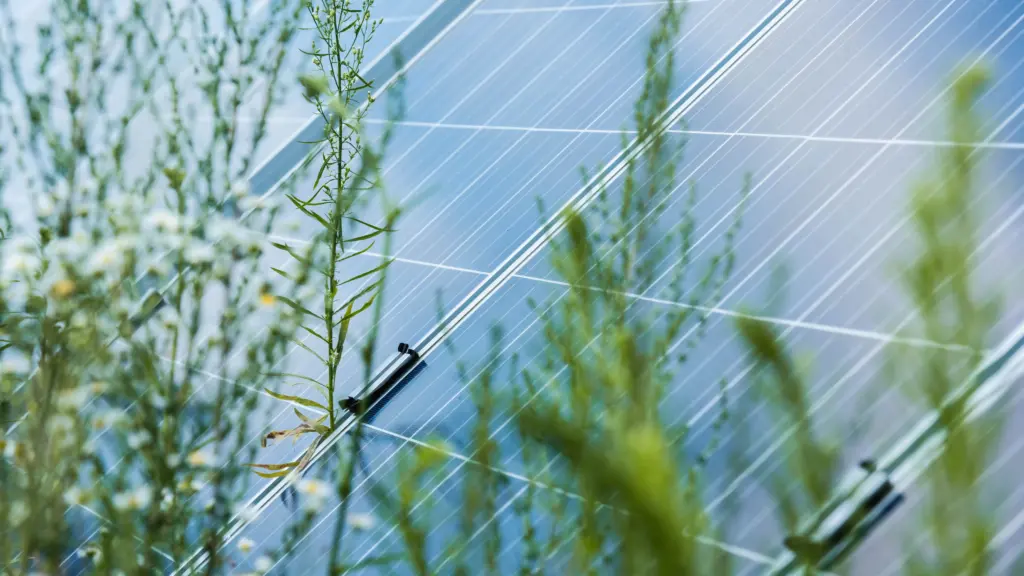
A look at the market shows why this is the case. Demand for battery storage is increasing. In Germany alone, over 1.9 GWh of storage capacity had already been installed by the end of 2024, with growth of almost 33% in the first nine months (source: kyon-energy.de) More renewables in the grid means we need more storage—and fast. Instead of throwing away used batteries, we give them a second life. This conserves resources and reduces disposal problems. Every reused battery is a step toward a more sustainable energy supply. This approach is even seen as a competitive advantage. European manufacturers are increasingly focusing on the environmental performance of their batteries and want to drastically reduce the carbon footprint of cell production. Second-life solutions fit perfectly into this picture because they make good use of gray energy and extend the overall service life of battery cells.
The industry is eagerly working on ever more durable and cost-effective batteries, from sodium-ion to redox flow. While new cell chemistries are still in the starting blocks, second-life batteries can already make a contribution. They are perfect for applications with slightly lower power density, where reliable capacity is more important than peak performance. They are the clever workhorses for stationary storage systems that have already been through a lot and therefore know exactly how to deliver long-term performance.
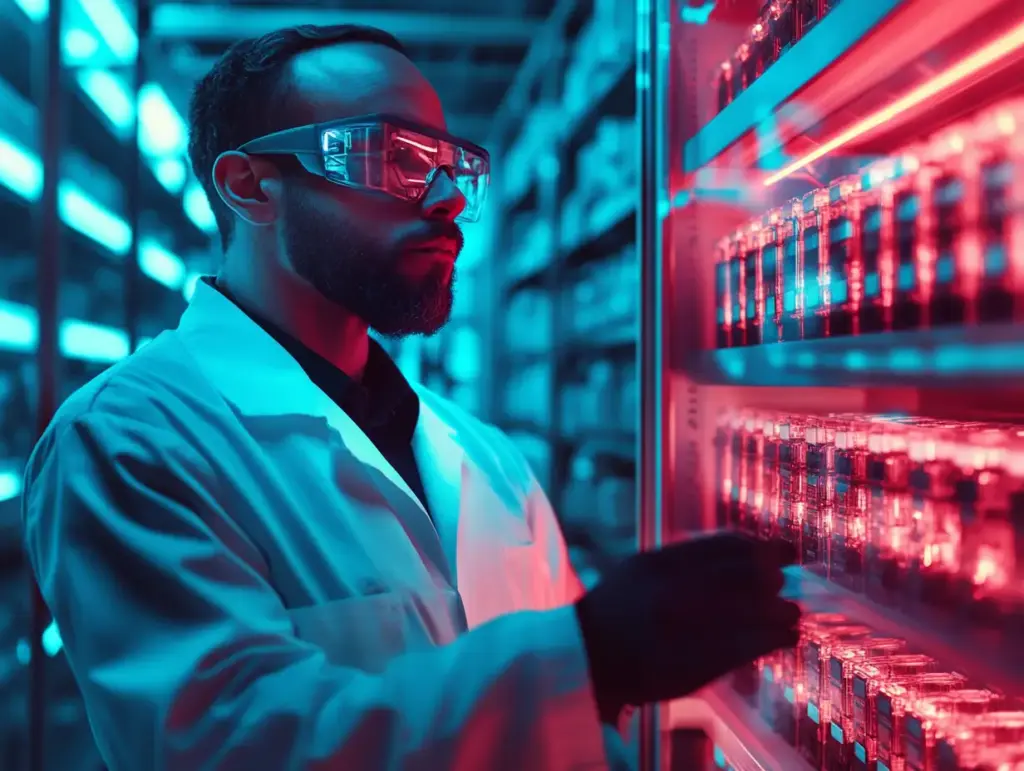
“We don’t just solve problems. We improve systems! We don’t view second-life batteries as simply a way to recycle leftovers, but as an opportunity to develop innovative solutions with foresight. We develop the best solution for every application with a vision for the future. If a used battery does the job just as well as a new one, while also saving costs and reducing the impact on the environment, then it should be given a fair chance. Of course, this is always subject to the premise that safety and reliability are guaranteed. That’s why we carefully examine which battery cell technology is best suited for each application. We integrate second-life batteries with the same high standards of sustainable cell technology, charge cycle optimization, safety, and marketability that we apply to every new system. Our customers and partners should be able to rely on a storage system with “used” cells to perform just as reliably as a brand-new one… only more sustainably.
Second-life batteries are therefore part of our future product strategy and an expression of our proactive approach. By giving batteries a second life, we combine technical innovation with responsibility. We are shaping the energy solutions of tomorrow by thinking about the day after tomorrow today. Reusing tried-and-tested technology to find the best solution for our customers and the environment.